
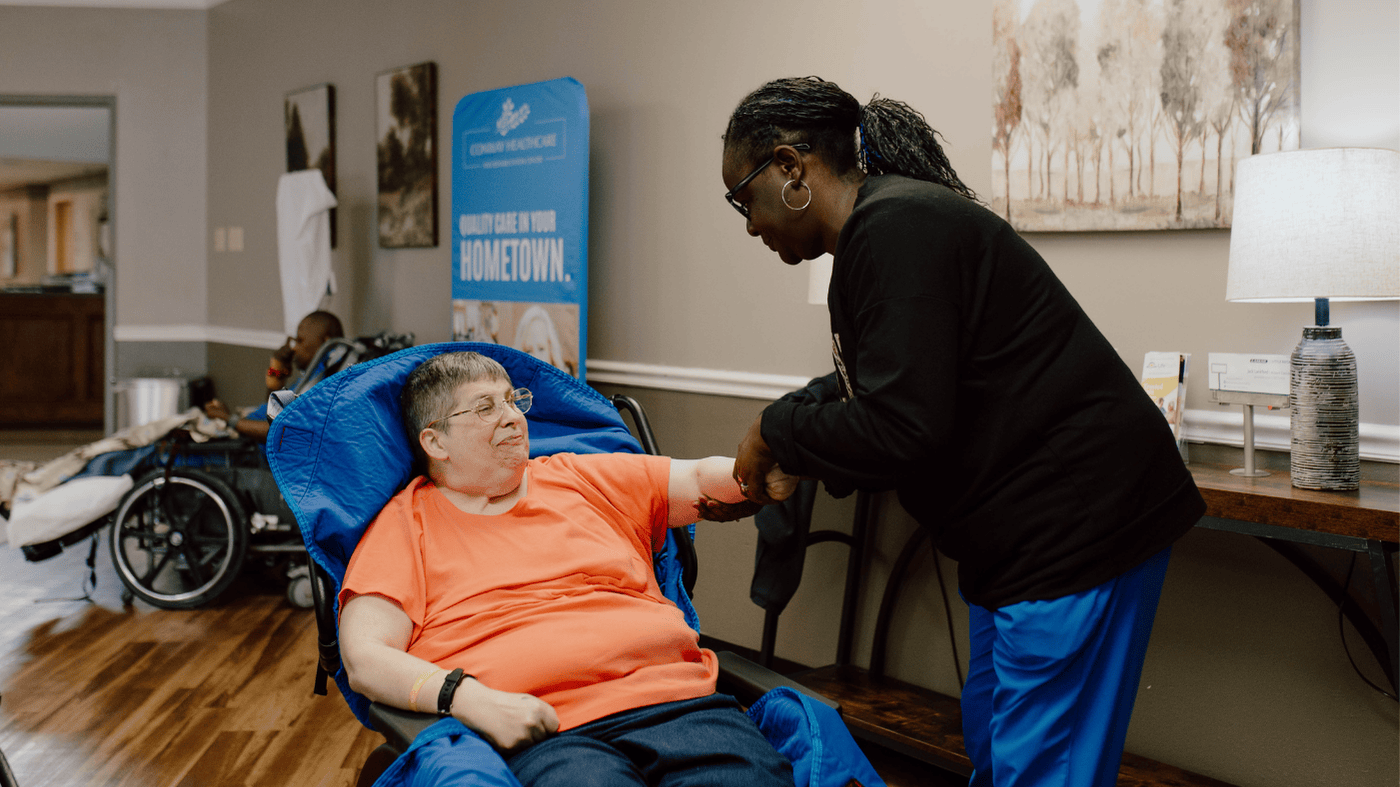

Rehabilitation services are a vital part of many long-term care communities, helping residents recover from illness, injury, or surgery while improving strength and independence. These services are designed to support both short-term recovery and long-term wellness.
Physical therapy focuses on improving mobility, balance, and strength. This helps residents regain the ability to move safely and confidently. Occupational therapy supports daily living skills, such as dressing, bathing, and eating, enabling residents to maintain independence in their everyday routines. Speech therapy addresses communication challenges and swallowing difficulties, improving both safety and quality of life.
Early and consistent participation in rehabilitation can significantly improve outcomes. Residents who actively engage in therapy often experience faster recovery and increased confidence in their abilities. Achieving even small milestones can boost motivation and emotional well-being.
Rehabilitation is a collaborative process. Care teams work closely together to develop personalized therapy plans that align with each resident’s goals and capabilities. This individualized approach ensures that therapy is both effective and supportive.
Beyond physical improvements, rehabilitation also enhances emotional health. Gaining strength and independence can restore a sense of purpose and confidence.
Through comprehensive rehabilitation services, long-term care communities empower residents to regain function, maintain independence, and improve their overall quality of life.